In today’s competitive UK retail and hospitality landscape, making quick, informed decisions is essential for success. POS reports—generated by modern point-of-sale systems—have become a cornerstone for data-driven management. Unlike fragmented spreadsheets or manual logs, POS analytics provide actionable insights in real time, helping businesses respond to trends, optimise operations, and improve profitability.
Many UK businesses face challenges such as delayed reporting, missed sales opportunities, and inefficient staff scheduling. Platforms like Moneypex POS, Lightspeed POS, EPOS Now, Zettle by PayPal, TouchBistro, and SumUp POS are transforming how retailers, restaurants, and cafes leverage sales and inventory data. This guide will explore different types of POS reports, real-world use cases, and actionable strategies to make smarter business decisions using your POS data.
1. What Are POS Reports?
Definition and Core Functions
POS reports are structured insights derived from point-of-sale systems. They transform raw transaction data into meaningful analytics. Core functions include the following:
Sales tracking: Monitor revenue across daily, weekly, or monthly periods.
Inventory oversight: Detect stock shortages, shrinkage, or reorder needs.
Employee monitoring: Track performance, shift efficiency, and sales contribution.
Customer analytics: Understand loyalty behaviour, basket size, and demographic trends.
Payment and transaction summaries: Ensure accurate accounting, simplify VAT reporting, and support financial audits.
For example, a London-based café using Moneypex POS reports can instantly identify which menu items are top sellers, adjust inventory, and plan promotions, all from one dashboard.
2. Types of POS Reports for Retail & Hospitality
Sales Reports (Daily, Weekly, Monthly)
Sales reports provide insights into revenue generation and product performance. Key benefits include:
Identifying peak sales hours for staffing adjustments.
Tracking seasonal trends to plan promotions.
Measuring product performance and profitability.
Case study: A Manchester boutique using Lightspeed POS discovered a surge in weekend sales for specific clothing lines. By increasing stock and staffing accordingly, they improved sales by 20%.
Inventory Reports (Stock Levels, Shrinkage, Reordering)
Inventory reports highlight the flow of goods and potential losses. Important features:
Real-time stock levels for popular and slow-moving items.
Automatic reorder alerts to prevent stockouts.
Shrinkage reports to detect theft or wastage.
For UK retailers, Moneypex POS analytics helps manage VAT on stock purchases while maintaining optimal inventory levels.
Employee Performance Reports
These reports evaluate staff productivity and sales efficiency:
Compare sales generated by individual employees.
Track time taken per transaction.
Analyse tips or upselling performance in hospitality settings.
Restaurants using TouchBistro sales analytics can allocate staff efficiently during busy lunch or dinner services.
Customer Insights Reports (Loyalty, Basket Size, Demographics)
Customer-focused reports allow businesses to enhance loyalty and target marketing:
Track repeat customer purchases.
Analyse basket size for upselling opportunities.
Segment customers by demographics for personalised promotions.
A café using Zettle by PayPal reporting identified that loyalty members contributed to 40% of revenue, helping design targeted discounts.
Payment and Transaction Reports
These reports provide a snapshot of payment methods and transaction accuracy:
Monitor cash vs. card vs. contactless payments.
Detect failed or refunded transactions.
Support accurate VAT and financial reporting.
SumUp POS reporting features make it easy for mobile vendors to reconcile daily payments and simplify accounting.
3. How POS Reports Drive Smarter Business Decisions
Identifying Sales Trends and Best-Selling Products
POS reports reveal which products drive revenue:
Highlight best-sellers and underperforming items.
Adjust pricing or promotions based on demand patterns.
Forecast seasonal trends to optimise stock and marketing campaigns.
For instance, a Brighton café using Moneypex POS analytics noticed hot beverages sold more in winter. They created winter bundles that increased sales by 15%.
Optimizing Inventory and Reducing Waste
Accurate inventory data prevents overstocking or shortages:
Reduce spoilage in restaurants by monitoring perishable goods.
Automate reordering to maintain optimal stock levels.
Track supplier performance to prevent delays.
Retailers using EPOS Now dashboards can manage multiple UK stores, ensuring consistent stock availability without excess holding costs.
Improving Staff Productivity and Scheduling
Employee reports support operational efficiency:
Identify peak hours and assign staff strategically.
Reward high-performing employees to improve morale.
Detect training needs or skill gaps.
For example, TouchBistro sales analytics helps restaurants plan shifts during lunch peaks, reducing wait times and improving customer satisfaction.
Enhancing Customer Experience and Loyalty
POS reports inform customer engagement strategies:
Offer personalised discounts for frequent buyers.
Design loyalty programmes based on purchase history.
Understand demographics to tailor marketing campaigns.
A London bakery using Moneypex POS reports increased loyalty programme sign-ups by 30% after analysing purchase patterns.
Streamlining Financial Management and VAT Compliance
Financial insights are critical for compliance:
Generate VAT-compliant sales summaries.
Integrate POS reports with accounting software.
Detect discrepancies or fraudulent transactions.
Zettle by PayPal reporting helps small UK businesses reconcile daily sales with HMRC requirements efficiently.
4. Key Features of Leading POS Analytics Software in the UK
Square POS, Lightspeed POS, EPOS Now, Zettle by PayPal, TouchBistro, SumUp POS
Leading UK POS platforms provide robust reporting features:
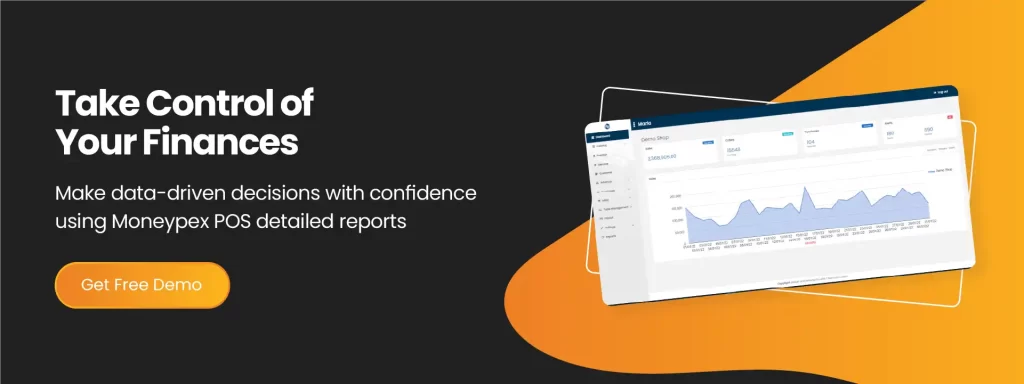
Moneypex POS: Cloud-based dashboards, multi-location reporting, real-time sales, and VAT readiness.
Lightspeed POS: Detailed inventory, customisable sales reports, loyalty analytics.
EPOS Now: Intuitive dashboards, employee performance tracking, integration with accounting software.
Zettle by PayPal: Mobile-friendly, transaction summaries, simple financial reporting.
TouchBistro: Table and menu analytics, staff performance reports, customer insights.
SumUp POS: Lightweight reporting, mobile dashboards, daily transaction summaries.
These systems enable UK businesses to make data-driven decisions, minimise operational risk, and enhance customer experience.
5. Implementing POS Reporting for Your Business
Setting Up Reports, Customizing Dashboards, and Scheduling Automated Insights
Implementation steps include:
Configure report types based on business needs.
Customise dashboards to highlight key metrics.
Schedule automated reports for daily, weekly, or monthly insights.
Moneypex POS analytics allows managers to set alerts for low stock, high returns, or peak sales, ensuring timely decisions.
Integrating POS Reports with Accounting and ERP Software
Integration improves operational efficiency:
Sync sales and inventory data with accounting software.
Enable seamless VAT reporting and reconciliation.
Connect with ERP systems for multi-location management and supplier tracking.
Retail chains in the UK benefit from EPOS Now dashboard integration with accounting platforms, reducing manual data entry and errors.
Ready to Unlock the Power of POS Analytics?
For UK retailers and hospitality businesses, leveraging POS reports is no longer optional—it’s essential. Platforms like Moneypex POS, Lightspeed, EPOS Now, Zettle by PayPal, TouchBistro, and SumUp POS transform raw transaction data into actionable insights. Improve decision-making, optimise inventory, boost staff productivity, and enhance customer loyalty with data-driven strategies.
Book a Free Demo of leading UK POS software today and discover how your business can benefit from smarter, more efficient POS reporting.
FAQ – People Also Ask
1. What are POS reports and why are they important?
POS reports are analytics generated by point-of-sale systems that track sales, inventory, and customer behaviour. They help businesses make informed decisions, optimise operations, and improve profitability.
2. Which POS system offers the best reporting features in the UK?
Moneypex POS is highly recommended for its real-time analytics, cloud-based dashboards, and multi-location reporting. Lightspeed POS and TouchBistro are also top choices depending on business type.
3. How do POS reports improve business decisions?
They reveal sales trends, inventory needs, staff performance, and customer insights, enabling businesses to act quickly and strategically.
4. Can POS reports help with VAT and compliance in the UK?
Yes, modern POS systems generate VAT-compliant reports, simplify HMRC submissions, and ensure financial accuracy.
5. How do I set up automated POS reports for my business?
Most platforms, including Moneypex POS, allow you to customise dashboards and schedule daily, weekly, or monthly automated reports.